
Industrial Embedded Box PCs
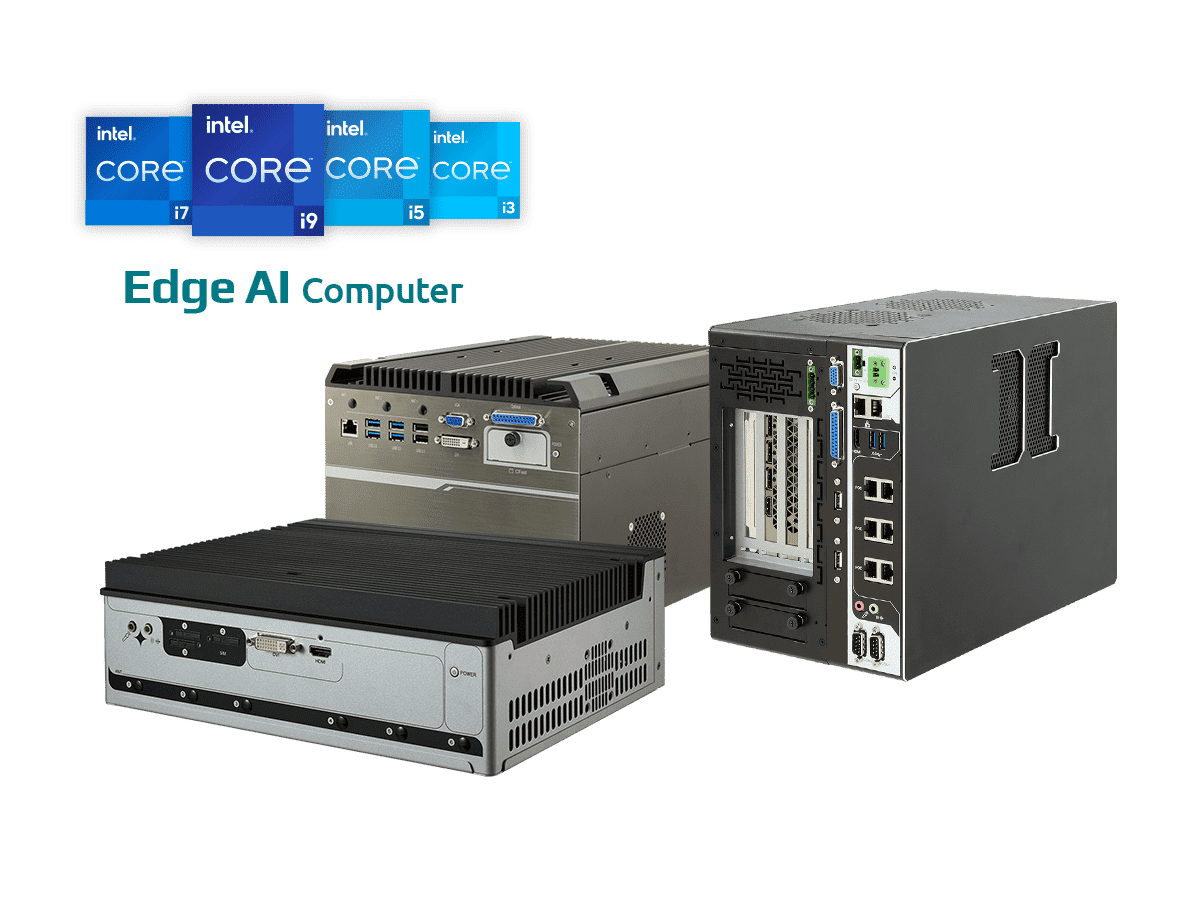
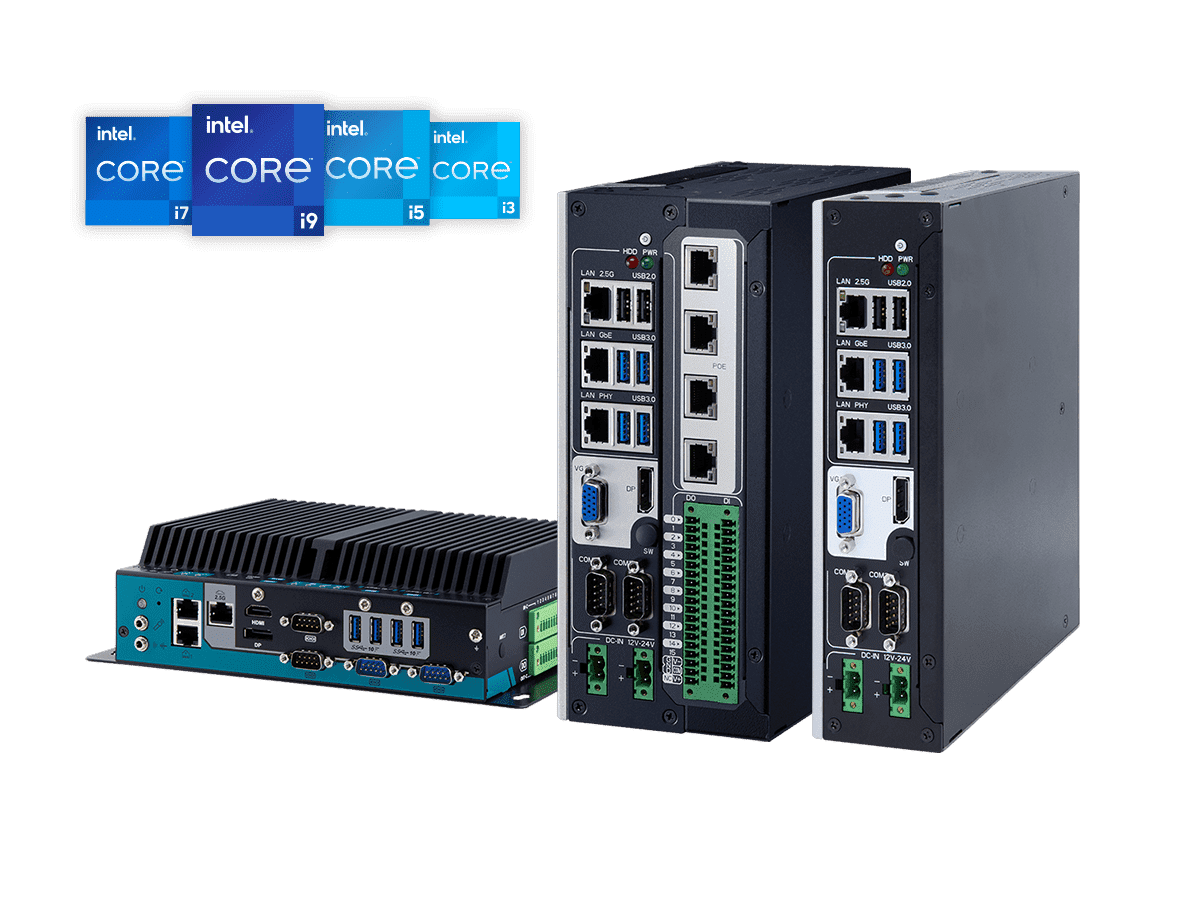
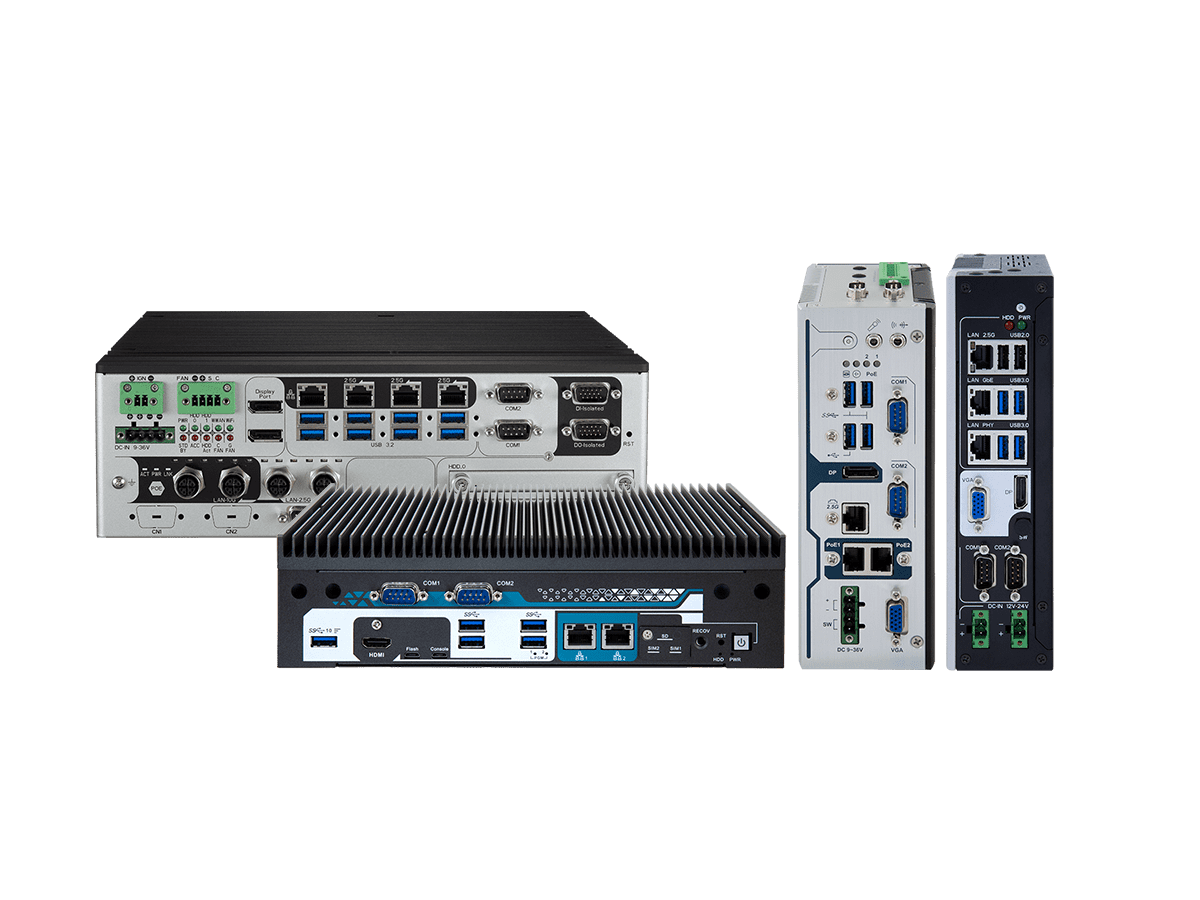
ARBOR industrial embedded box PCs are designed for factory automation, machine vision, robotics, and edge control applications. The product range includes options with fanless thermal design, flexible I/O configurations, and rugged mechanical construction, covering platforms from compact embedded systems to high-performance rugged embedded computers. Engineers and system integrators can compare available platforms by performance level, installation space, I/O requirements, and application fit.
Built for the Demands of Industrial Environments
Compared with general-purpose systems, industrial embedded box PCs are better suited for industrial deployment where heat, dust, vibration, and long operating hours place greater demands on hardware design. Options with fanless enclosures reduce dust intake and support operation in spaces where airflow is limited. I/O configurations are selected for machine communication and sensor integration, and mechanical construction is built to handle the conditions found on production floors.
For projects that require higher durability and longer service life, rugged embedded computers offer a more suitable foundation. These systems are often deployed in environments with continuous operating cycles, wide temperature variation, or regular exposure to particulates and vibration, where standard commercial hardware may not provide the consistency required for daily operation.
Matching the Right Platform to Your Application
Selection usually begins with the environment and the demands of the application. The table below covers five common deployment scenarios with the system type, key priorities, and typical use cases for each.
| Application Focus | System Type | Key Priorities | Common Use Cases |
| Compact machine integration | Small-form industrial embedded box PC | Size, mounting flexibility, low maintenance design | Control cabinets, distributed automation nodes |
| General factory automation | Mainstream rugged embedded computer | CPU performance, I/O mix, expansion support | Line control, machine communication, gateways |
| Machine vision and inspection | High-connectivity embedded system | LAN ports, USB connectivity, thermal stability | AOI, barcode reading, quality control stations |
| Robotics and motion control | Vibration-tolerant embedded computer | Communication ports, mounting options, vibration tolerance | Robotic cells, pick-and-place, motion controllers |
| Edge AI processing | High-performance rugged embedded computer | Compute headroom, accelerator support, cooling design | AI inspection, anomaly detection, edge inference |
Planning for Long-Term Industrial Deployment
Beyond the technical requirements of the application, buyers in long-term automation projects also evaluate product lifecycle, integration effort, and serviceability. A platform that remains available and supported over a multi-year deployment reduces the need for mid-project substitutions and keeps system consistency easier to maintain across production sites or equipment generations.
Frequently Asked Questions
Q: How do I choose the right industrial embedded box PC for factory automation?
A: Start with the installation environment, required I/O, performance level, and available space. Applications with continuous operation, limited airflow, or tight enclosures often need a fanless system with stable thermal behavior and flexible integration options.
Q: When does a project need a rugged embedded computer instead of a standard box PC?
A: A rugged embedded computer is a better fit when the system must handle dust, vibration, temperature variation, enclosed installation, or long operating hours in industrial environments.
Q: What features matter most for machine vision or inspection systems?
A: Machine vision projects often need strong processing performance, reliable LAN or USB connectivity for cameras, stable thermal design, and enough expansion support for the rest of the system architecture.
Q: Can industrial embedded box PCs support edge AI workloads?
A: Yes, but the right model depends on the compute requirement, connectivity needs, and thermal conditions of the deployment. Higher performance systems are typically better suited for vision processing and AI inference at the edge.
Q: What should I compare before selecting a system?
A: Compare performance level, I/O mix, expansion support, mounting flexibility, thermal design, and the demands of the target environment. These factors usually have a bigger impact on suitability than product naming alone.
Browse ARBOR industrial embedded box PCs to find the right platform for your automation, machine vision, or edge control project. Contact ARBOR to discuss application requirements, installation conditions, and system integration needs.